Clean, safe water access is one of the first things RV travelers look for when choosing a campground or dump station. The equipment you install determines whether your site meets health standards and whether guests trust your facility enough to come back.
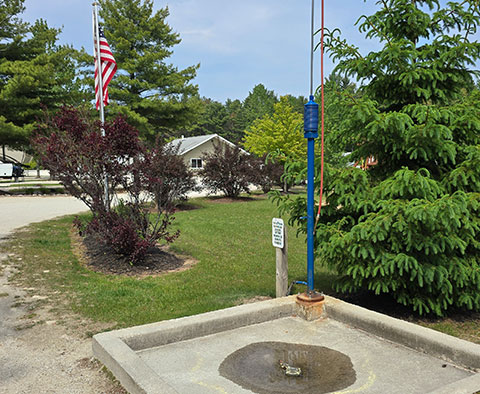
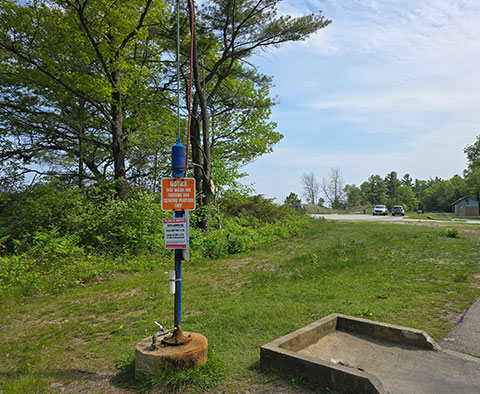
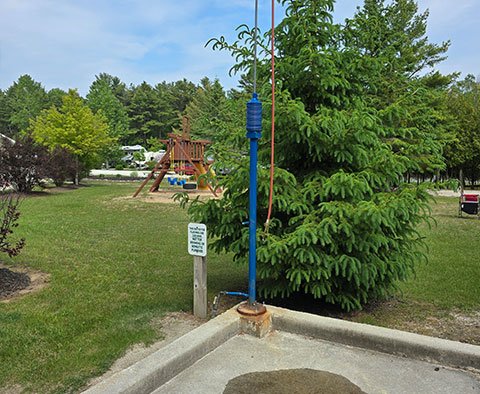
The Tower Company provides potable water equipment built specifically for RV parks, campgrounds, truck stops, and public dump stations. Our Romort Water Tower Kit is the industry standard for delivering potable water at dump sites, with built-in safety features that prevent contamination and keep your facility compliant.
At most dump stations, two types of water are available. Potable water is safe for drinking, cooking, and filling RV freshwater tanks. Non-potable water is used only for rinsing sewer hoses and flushing dump station equipment after use. The two systems must be kept separate to prevent contamination.
The Romort Water Tower Kit is engineered with a vacuum breaker that eliminates the risk of back-siphonage into your water supply. This is the single most important safety feature in any potable water system at a dump station. Without proper backflow prevention, wastewater can be drawn back into the clean water line, creating a serious health hazard.
The Romort potable water tower meets or exceeds EPA, OSHA, ANSI, and Environmental Health standards. It also meets the requirements of the Americans with Disabilities Act.
Understanding the difference between potable and non-potable water is important when planning or upgrading your dump station.
Potable water is treated, tested, and safe for human consumption. At an RV dump station, potable water is used by guests to refill their freshwater holding tanks. The equipment delivering this water must include backflow prevention to protect the water supply from contamination.
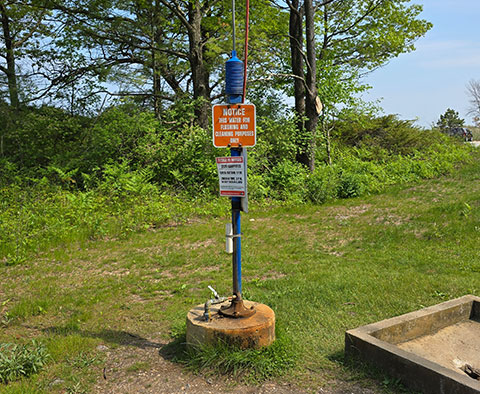
Non-potable water is not safe for drinking. At dump stations, non-potable water is typically used for rinsing sewer hoses, washing down the dump pad, and flushing the station after each use. Non-potable rinse stations should be clearly signed so guests know not to use this water for filling freshwater tanks.
Many facilities install both a potable water tower and a separate rinse-down tower at the same dump station. The Romort Water Tower Kit is available in both potable and non-potable configurations. Potable water towers should be clearly separated from rinse-down towers and properly signed per local regulations.

Campground operators, park managers, and facility engineers choose the Romort for several practical reasons.
The vacuum breaker prevents back-siphonage, stopping contamination before it can reach your water supply. The nozzle design keeps the user’s hands out of the discharge flow, reducing contact and improving hygiene. The tower is self-storing after use, and the nozzle never touches the ground. It reaches a 29-foot radius, covering most dump station layouts without needing to be repositioned.
The Romort uses approximately 2.5 gallons of water per flush, compared to the 9 gallons a typical garden hose setup requires. That 75% reduction in water use adds up quickly at high-traffic sites and can pay for the equipment within 6 months to a year.
Every Romort Water Tower Kit is American-made and has been since 1965.
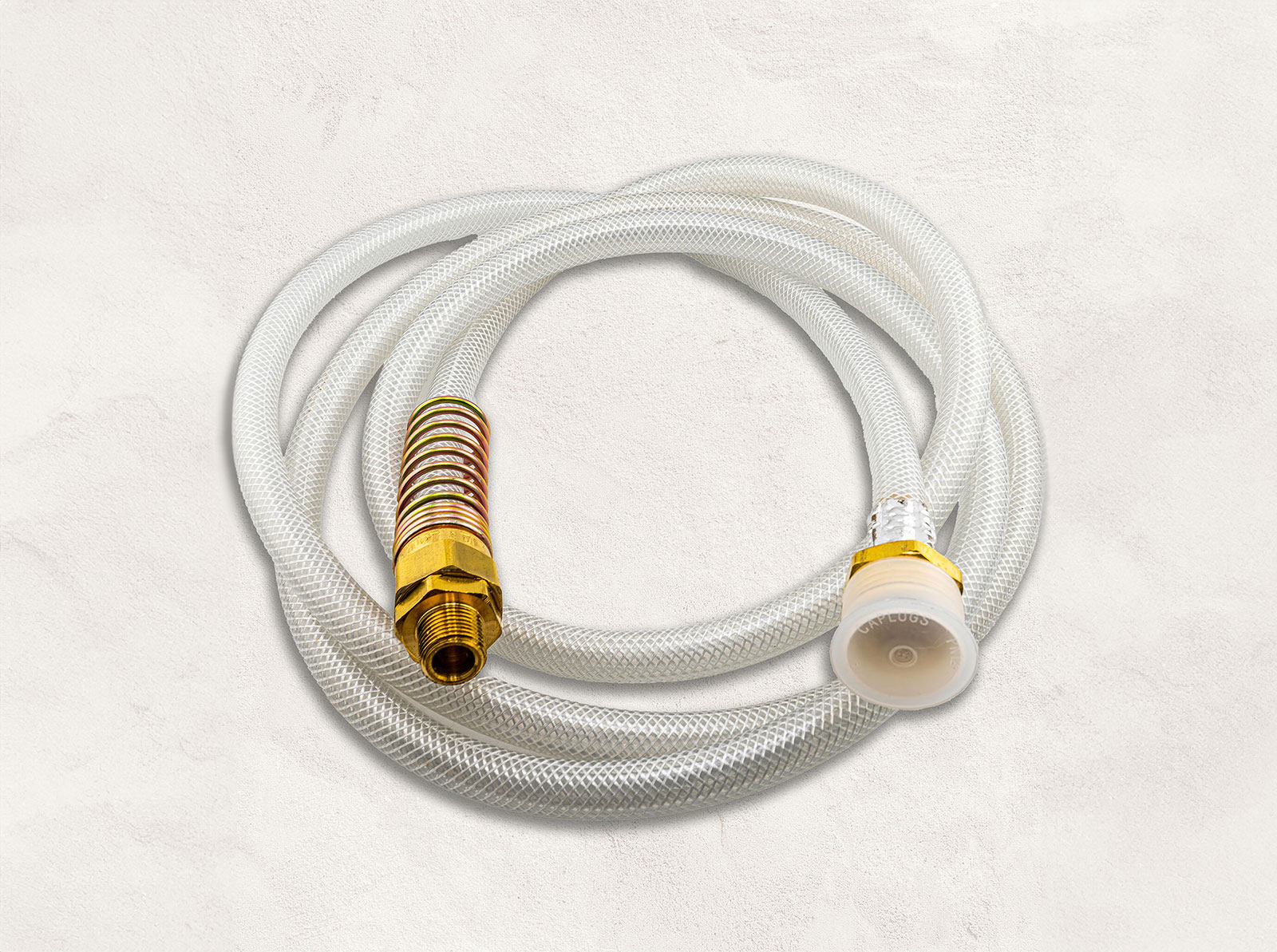
We carry a full line of Romort-compatible replacement parts to keep your potable water equipment running. Vacuum breakers, hose assemblies, nozzle assemblies, head springs, and other components are available for fast shipping.
Not sure which part you need? Call us at 1-800-945-1532 and we will help you identify the right component.
Whether you are building a new dump station or upgrading an existing one, we can help you choose the right potable water equipment for your facility. Call us at 1-800-945-1532 or email salestower@comcast.net.